Insights

Blog


Find green chemistry news, insights and commentary on the ViridisChemTM company blog.
Featured image for “Toxicity Focus For Sustainable Product Development”
September 14, 2026

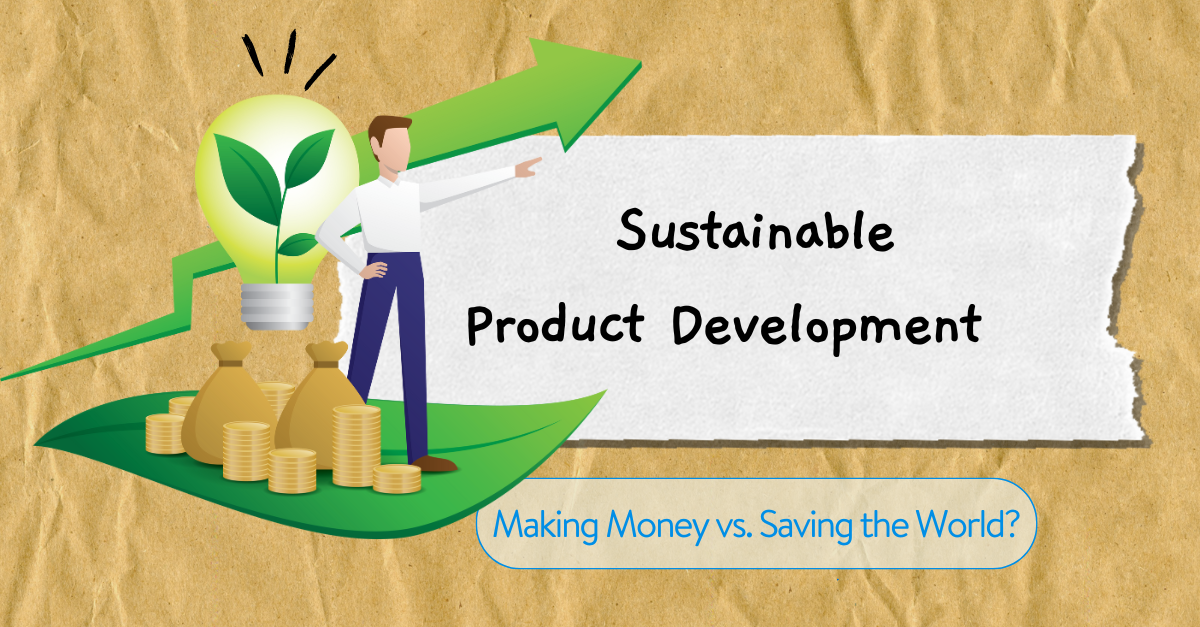
Toxicity Focus For Sustainable Product Development

This case study demonstrates how ViridisChem’s Chemical Analyzer can help identify less toxic, functionally suitable alternatives during product development, using formaldehyde replacement in textile processing to illustrate a practical approach to safer and more sustainable chemical selection.
Read More
Featured image for “Instantly generate OSHA – GHS Compliant Safety Datasheets (SDS)”
September 14, 2026

Instantly generate OSHA – GHS Compliant Safety Datasheets (SDS)

This article highlights how ViridisChem’s AI-powered SmartSDS can rapidly generate data-rich, OSHA- and GHS-compliant Safety Data Sheets for chemicals and complex mixtures, helping suppliers and laboratories improve hazard communication, regulatory compliance, and chemical safety.
Read More
Featured image for “Toxic Ingredients in Sunscreen: Diverse Dimensions of Toxicity”
March 13, 2023

Toxic Ingredients in Sunscreen: Diverse Dimensions of Toxicity

There are potential health effects of chemical ingredients found in most sunscreens. Sunscreens are photoprotective preparations applied on skin for protection against melanoma (skin cancer) and sunburn. As the ingredients of sunscreen get absorbed into the skin, FDA carried out research on absorption levels for its chemical ingredients and found that 6 out of 8 active ingredients are absorbed at an alarming rate, far beyond the threshold limit.
Read More
Featured image for “Recent Advances In Avoiding The Use Of PFAS”
December 10, 2021

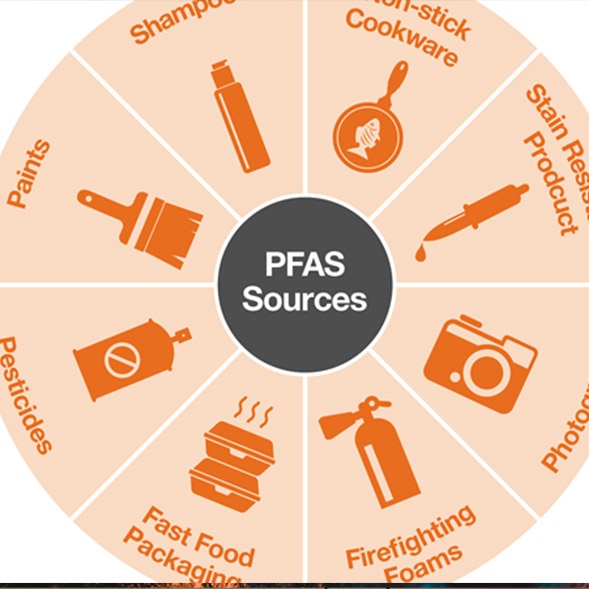
Recent Advances In Avoiding The Use Of PFAS

PFAS (Polyfluoroalkyl Substances) are behind a variety of products that we use everyday that make our lives a little bit easier. But US Agency for Toxic Substances and Disease Registry studies have shown that an excess of PFAS can harm our heart, liver, reproductive, and renal systems and lead to cancer.
Read More
Featured image for “Too Many Chemicals, Not Enough Risk Insights – The Perennial Challenge for Scientists”
October 4, 2021

Too Many Chemicals, Not Enough Risk Insights – The Perennial Challenge for Scientists

There are now more than 100 million chemicals, and thousands of new ones are still being introduced each year. Surprisingly, though, the toxicity is known for less than 1% of chemicals, and many times it is not comprehensive enough.
Read More
Featured image for “How Chemical Toxicity Wreaked Havoc on Coho Salmon”
June 27, 2021

How Chemical Toxicity Wreaked Havoc on Coho Salmon

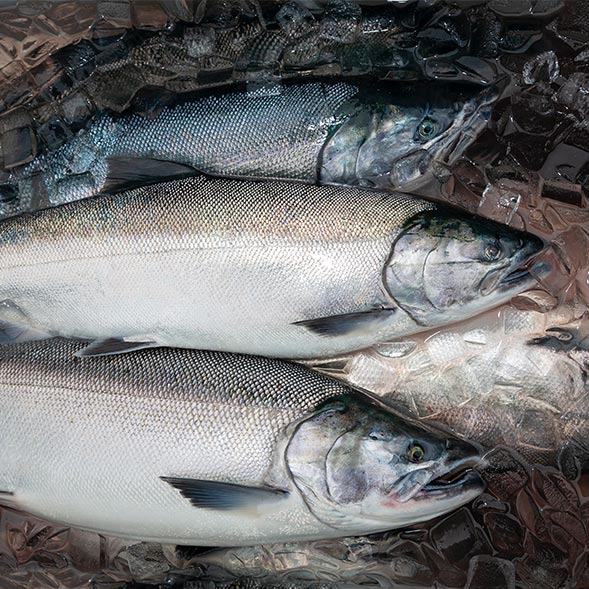
Scientists wondered for 20 years why coho salmon were dying on the U.S. West Coast, until chemists identified the toxin to blame.
Read More
Featured image for “New Advances in Recycling Plastics”
May 26, 2021

New Advances in Recycling Plastics

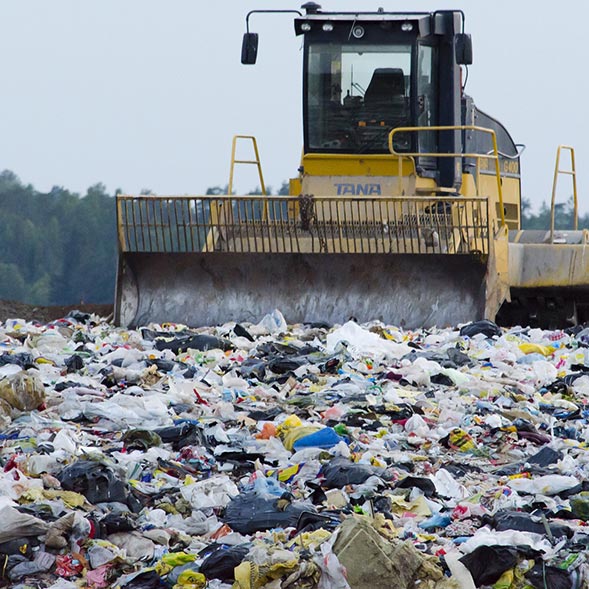
Plastic has been filling landfills worldwide. Despite the efforts to sort and recycle, less than 9% of plastic gets recycled in the U.S. with most ending up in landfill or in the environment.
Read More
Featured image for “How the Hawaii Sunscreen ban could have been avoided?”
February 14, 2021

How the Hawaii Sunscreen ban could have been avoided?

Recently the Hawaii Government passed their first bill in the country that will ban sunscreens that contain chemicals harmful to coral reefs, which is effective from January 1, 2021.
Read More
Featured image for “Lack of “Forever chemical” toxicity data worries toxicologists”
June 18, 2020

Lack of “Forever chemical” toxicity data worries toxicologists

As the saying goes, nothing lasts forever. However, some chemicals may persist in the environment effectively for eternity, causing potential health hazards and endangering habitats.
Read More
Featured image for “Evaluating toxicity of possible drug candidates, their analogs and metabolites”
March 22, 2020

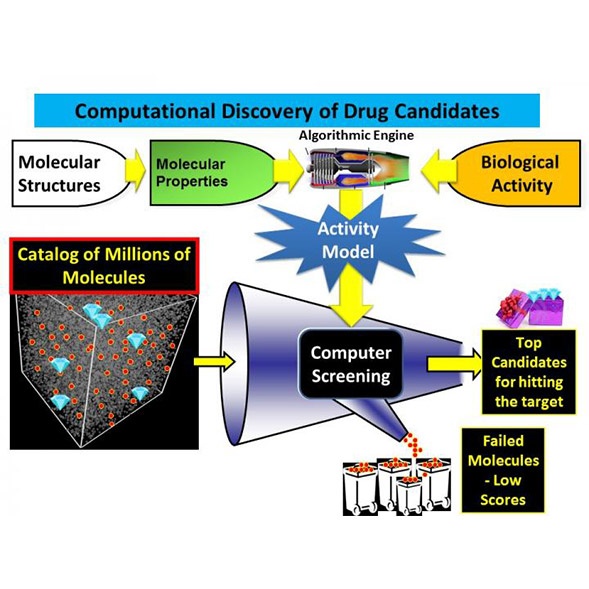
Evaluating toxicity of possible drug candidates, their analogs and metabolites

See how ViridisChem’s Chemical Analyzer can be used to pre-screen high-risk toxic drug candidates even before you start R&D, and identify the less toxic analogs, using Chloroquine as an example.
Read More